Cosa devo valutare quando acquisto una casetta da gioco? Una guida per gli acquirenti esperti.
Investing in a cubby house is an exciting step towards creating a magical backyard world for your children. However, with a vast array of designs, materials, and price points on the market, making the right choice can feel overwhelming. Whether you’re drawn to the rustic charm of a wooden cubby house or the modern practicality of a composite outdoor cubby, knowing what to prioritize is key. This expert guide breaks down the essential factors every parent should evaluate to ensure they select a safe, durable, and enchanting childrens cubby house that will deliver joy for years to come.
1. Safety First: The Non-Negotiable Foundation
Safety is the paramount criterion. A well-designed outdoor cubby house should be engineered to minimize risk.
Structural Integrity: The frame must be robust. For a wooden cubby house, look for thick, sturdy timber (like 2x4 or 4x4 framing) and reinforced joints. The entire structure should feel solid and not wobble when tested.
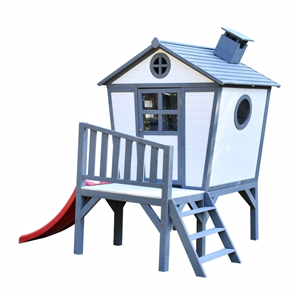
Safe Design Features: Check for rounded edges and smooth, sanded surfaces to prevent splinters and cuts. Railings on elevated platforms must be secure, with baluster spacing less than 3.5 inches (90mm) to prevent a child's head from getting trapped. Ensure there are no protruding bolts or sharp hardware.
Non-Toxic Materials: Verify that all paints, stains, and preservatives are non-toxic, water-based, and certified safe for children's toys. This is especially critical for a wooden cubby house that may have been pressure-treated or stained. Look for certifications like ASTM F963 or EN71.
2. Material Quality and Durability: Built to Last
The choice of material directly impacts longevity, maintenance, and play value.
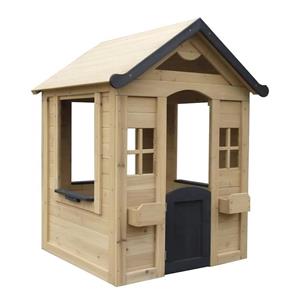
Wooden Cubby House: The classic choice. Look for sustainably sourced, kiln-dried timber like cedar, redwood, or high-grade, treated pine. These woods are naturally resistant to rot and insects. Assess the thickness of panels and the quality of the joinery—dovetail or mortise-and-tenon joints indicate superior craftsmanship.
Plastic/Composite Outdoor Cubby: Offers low maintenance. Prioritize high-density, UV-stabilized polyethylene to prevent fading and brittleness. The plastic should feel thick and substantial, not thin and flimsy.
General Durability Signs: Regardless of material, examine the hardware (rust-resistant galvanized or stainless steel screws/bolts), the quality of roofing material, and the overall weight and heft of the kit. A heavier structure is often more stable.
3. Design, Functionality, and Adaptability
The best childrens cubby house grows with your child, adapting to their changing interests.
Adaptable & Modular Design: Can the outdoor cubby be expanded or reconfigured? Are there options for add-ons like slides, climbing walls, or extended decks? Modularity extends the product's lifespan and play value.
Stimulating Features: Cerca elementi che stimolino l'immaginazione e l'attività: pareti lavagna, persiane funzionanti, un bancone da gioco, un tunnel da attraversare gattonando o una sabbiera sottostante. Queste caratteristiche trasformano una semplice struttura in un'area giochi dinamica.
Design estetico e pratico: Il progetto dovrebbe integrarsi con il giardino e piacere al bambino. Considera l'inclinazione del tetto (un tetto ripido fa scivolare via neve e pioggia), la posizione delle finestre per garantire luce e supervisione, e una dimensione adeguata della porta.
4. Facilità di montaggio e istruzioni chiare
A meno che non assumiate un professionista, probabilmente sarete voi a occuparvi del montaggio.
Completezza: Il manuale di istruzioni deve essere chiaro, con diagrammi passo passo e un elenco dettagliato dei componenti.
Componenti pretagliati e preforati: Un kit di qualità avrà pezzi di legno pretagliati con precisione e fori pilota preforati, il che renderà l'assemblaggio più semplice e garantirà un migliore incastro.
Tempo di costruzione stimato: Sii realista riguardo all'impegno di tempo. Un complesso casetta di legno potrebbe richiedere un fine settimana o più, mentre una soluzione più semplice cuccia esterna Potrebbe essere assemblato in un pomeriggio.
5. Reputazione, garanzia e assistenza post-vendita
La tua ricerca non dovrebbe concludersi con le specifiche del prodotto.
Reputazione del marchio: Leggete le recensioni dei clienti non solo sul sito del rivenditore, ma anche su piattaforme indipendenti. Cercate commenti positivi e coerenti in merito a qualità, durata e sicurezza.
Garanzia: Un produttore affidabile offrirà una garanzia consistente (ad esempio, 1-2 anni sull'intera struttura, 5-10 anni contro la marcescenza del legno). Questo è un indicatore chiave della durata prevista del prodotto.
Assistenza clienti: Assicurati che l'azienda fornisca un servizio clienti accessibile per i pezzi mancanti o per domande sul montaggio.
Scegliere il giusto casetta sull'albero è un investimento nella creatività, nel gioco all'aperto e nei ricordi familiari. Valutando sistematicamente Sicurezza, qualità dei materiali, design adattabile, facilità di montaggio e reputazione del marchio, puoi andare oltre le affermazioni di marketing e prendere una decisione informata e sicura. Ricorda, il perfetto casetta da giardino o senza tempo casetta di legno È un elemento che offre uno sfondo sicuro, resistente e infinitamente stimolante per dare libero sfogo alla fantasia del tuo bambino. Dedicare il tempo necessario alla scelta con cura garantirà che questo elemento centrale del giardino diventi fonte di gioia per innumerevoli stagioni.
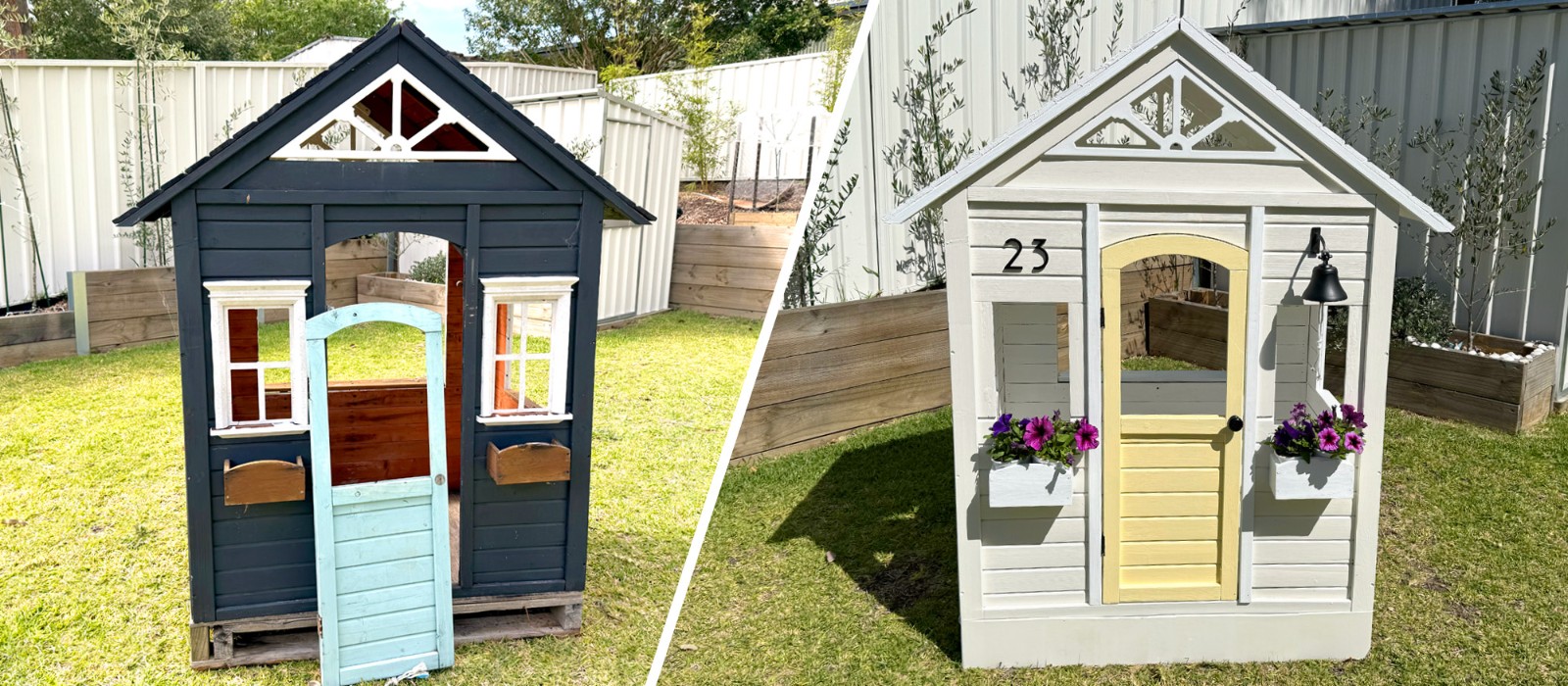
cuccia esterna
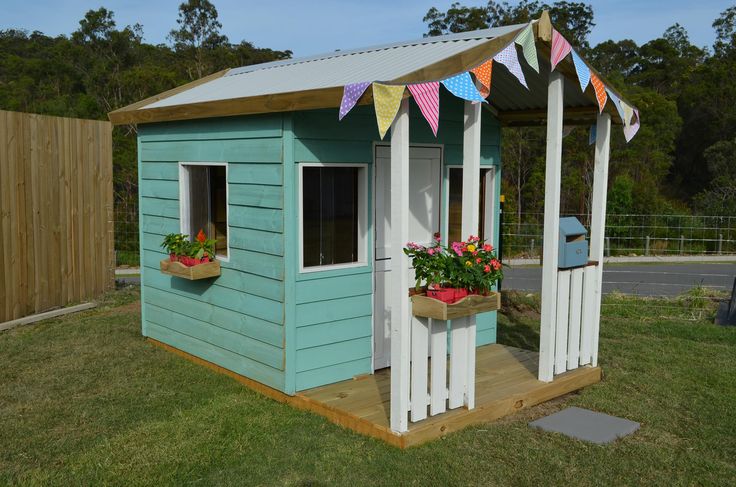
casetta da giardino
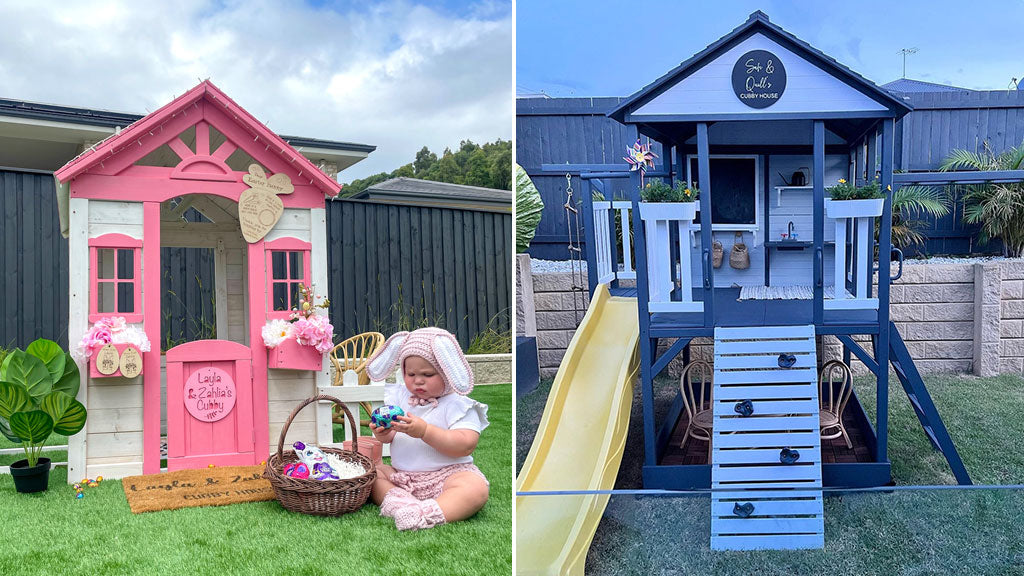
casetta di legno
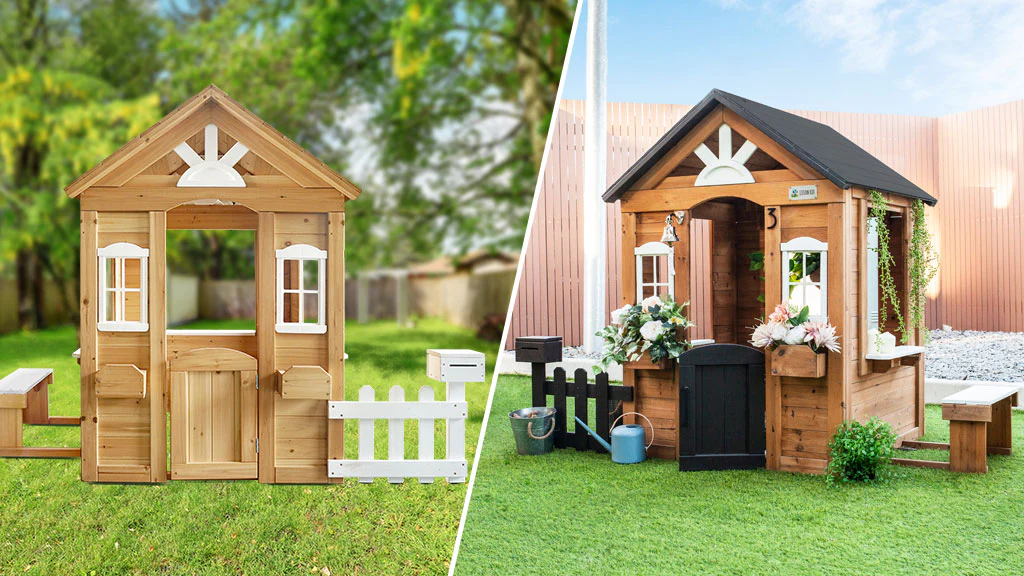
casetta per bambini